
Five signs your phone battery is finished
Batteries fail gradually, then all at once. Here is what the slow part looks like.
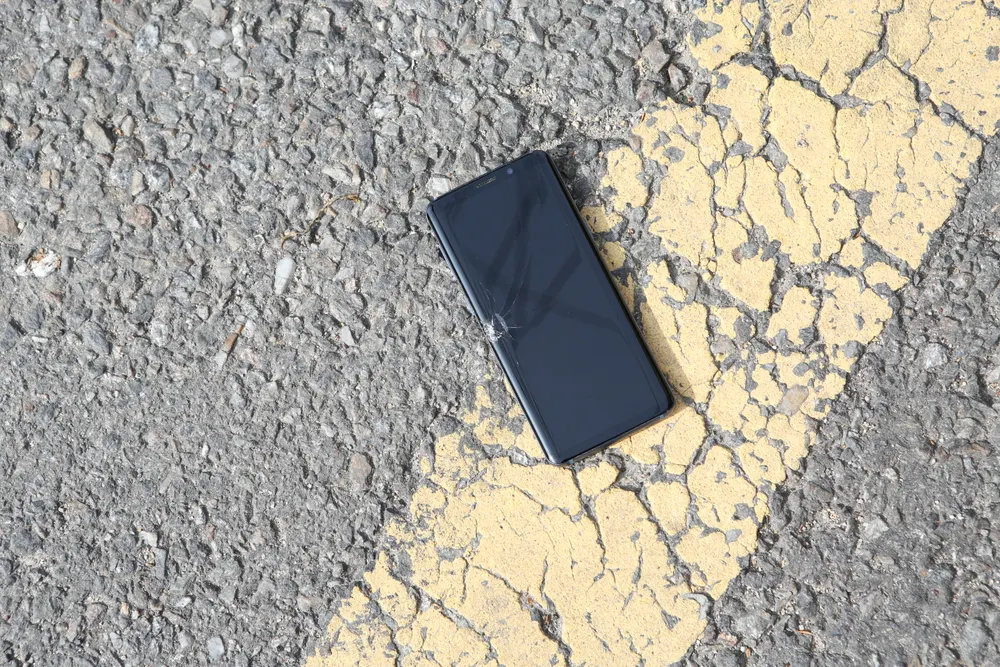
What you do in the ten minutes after a phone goes in the sink genuinely changes the outcome. Most of the common advice, including the famous one about rice, does not.
The instinct is to press the button and see. Resist it. Water on its own is a poor conductor and does relatively little harm; water plus electricity is what kills phones, because current takes shortcuts across a wet board and burns out components on the way.
Hold the power button and shut it down properly. If it is already off, leave it off. Do not plug it in to see whether it charges — that is the single most damaging thing you can do to a wet device.
Dry the outside with a cloth. Hold the device with the ports facing down and give it a few firm shakes to clear standing water from the charging port and speaker grilles. Take the case off, and take out the SIM tray so that opening can drain and vent.
What not to do: no hairdryer, no oven, no radiator. Heat drives moisture further into the board and can lift adhesive and warp components. And no compressed air, which pushes water deeper into places it had not reached.
A bowl of rice is not a desiccant in any useful sense. It absorbs surface humidity slowly and does nothing at all about liquid sitting under a shield can on the logic board. What it does reliably is give people a reason to wait three days, which is three days for corrosion to spread.
Silica gel is genuinely better than rice, and if you have a decent quantity of it, use it. But treat it as a holding measure, not a fix.
Here is what most people get wrong: the water is not really the problem, and neither is the moment it goes in. Tap water, sea water and anything with sugar in it leave mineral residue behind, and that residue reacts with the board over the following days and weeks.
This is why a phone that got wet on Monday and worked perfectly all week can die on Friday, or a month later. The failure is delayed. Corrosion eats through solder joints and traces long after the phone has dried out and everyone has stopped worrying about it.
A proper clean means opening the device, removing the shields, and cleaning the board in an ultrasonic bath with isopropyl alcohol to lift the residue before it does that work. That is not something a bowl of rice is going to achieve.
The short version, in order:
A phone that survived the dunking and seems fine is the one most likely to be written off later, because nobody brings it in. Cleaning a working board is cheap and quick. Repairing one that corroded through a power rail three weeks later frequently is not possible at all.
And if the phone will not come back on, that still is not the end. Bring it in and we will tell you for free whether the data is recoverable — which for most people is the part that actually mattered.
Urgent · Same-day intake
Leave it switched off and bring it straight in. The first 48 hours are the window where a clean is cheap and effective. Call (360) 800-1976 if you want to tell us you are on your way.
Keep reading
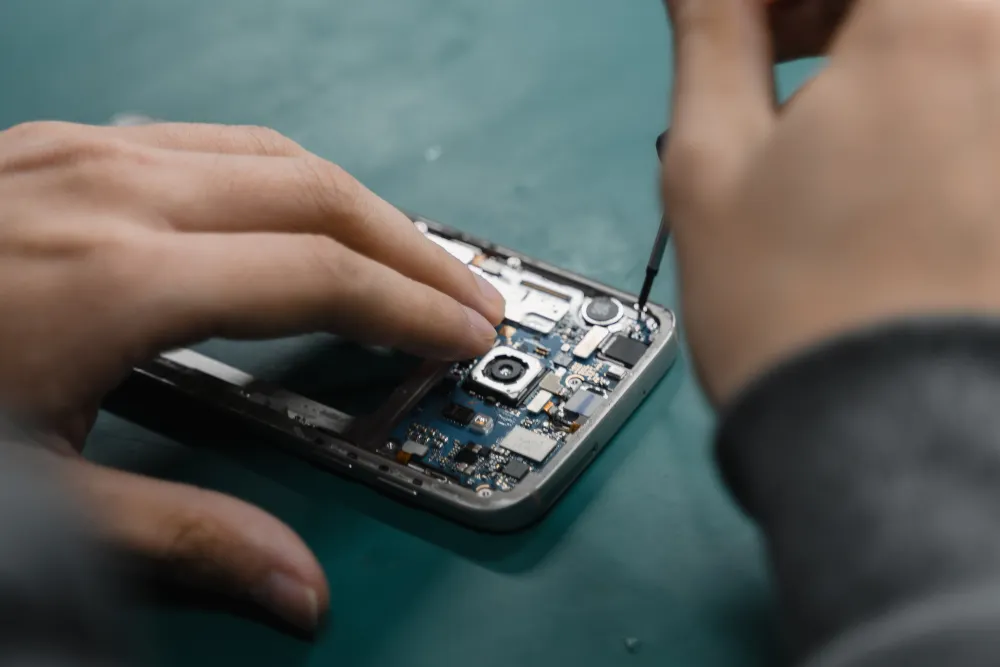
Batteries fail gradually, then all at once. Here is what the slow part looks like.
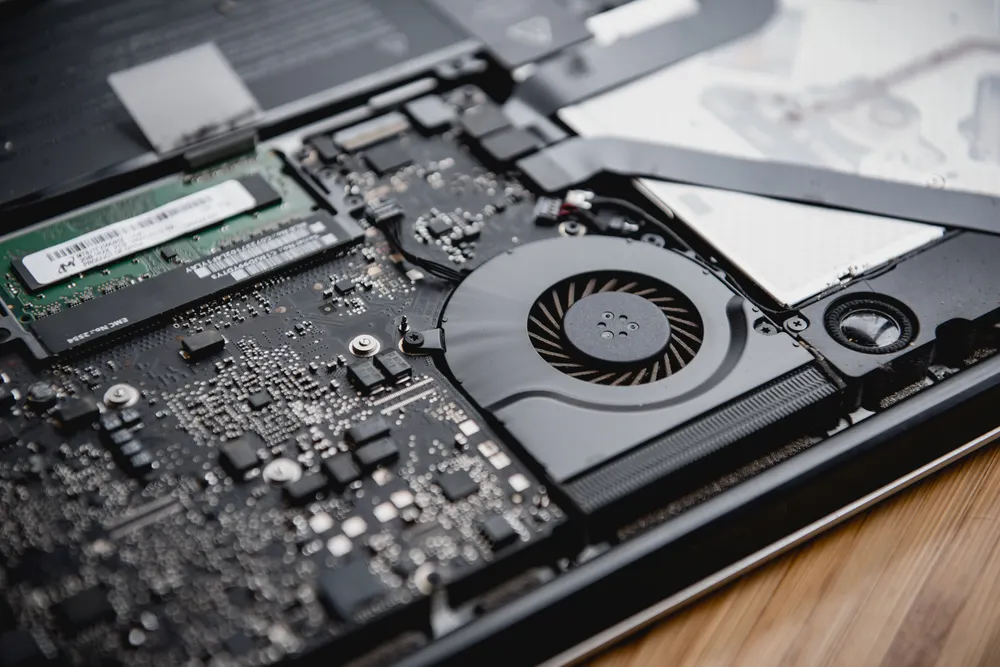
Fans, dust, thermal paste and the software that quietly pins your CPU at 100%.

A dead HDMI port is a common, fixable fault, and it does not mean a new console.
Describe the fault and we will tell you what it takes to fix it, what it costs, and how long it will be away from you. The diagnostic is free whether or not you go ahead.
Walk-ins welcome · Mon–Fri 9–19 · Sat 10–17